
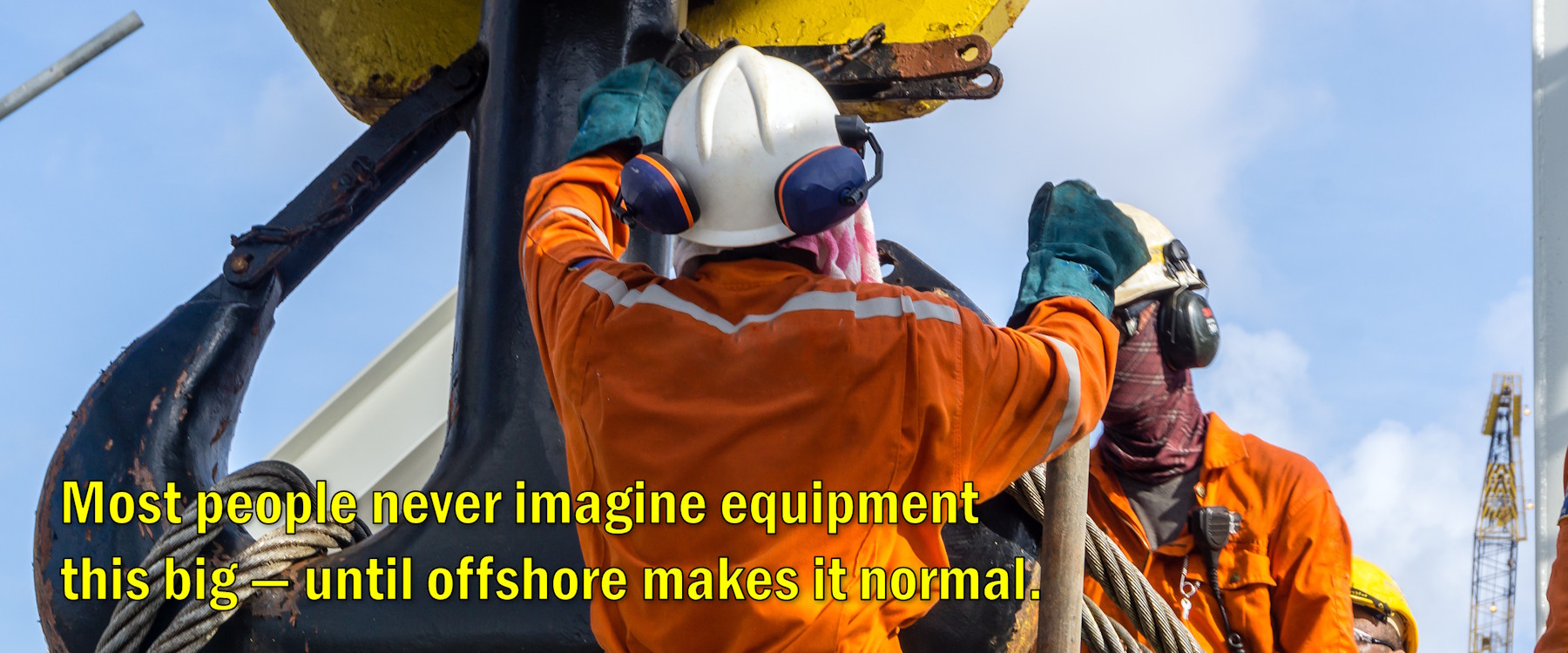

Getting Hired Offshore Isn’t What It Used to Be
When I first started offshore, you could walk into an offshore contractor’s office looking for work, and if they needed someone and you passed the physical, you could be on a rig by suppertime.
Those days are gone.
Today, getting hired offshore means knowing where to look, how to match your background and experience to offshore jobs, what qualifications you need, how companies accept applications, and how to present yourself so you actually get considered.
That’s what this website is all about.
I spent decades working offshore, starting as a welder and eventually working as a crane operator and maintenance foreman on rigs around the world.
I learned this industry from the deck up, and OffshoreGuides.com is where I share what I learned with people trying to find their own way offshore.
Your Pathway to High-Paying Offshore Jobs shows you step by step how to navigate today’s offshore hiring process, based on decades of first-hand offshore experience and years of helping people find their way into the industry.
Before You Click Out of Here...
You may be wondering how reading a book will help you get an offshore job.
Hear me out.
Finding current offshore job openings isn't the hard part. They're all over the internet.
The hard part is knowing which jobs to apply for, whether your background fits, what qualifications you actually need, where real employers accept applications, and how to present yourself so you get considered.
That's what Your Pathway teaches you.
It doesn't promise you a job. It shows you how to navigate the process of getting one.
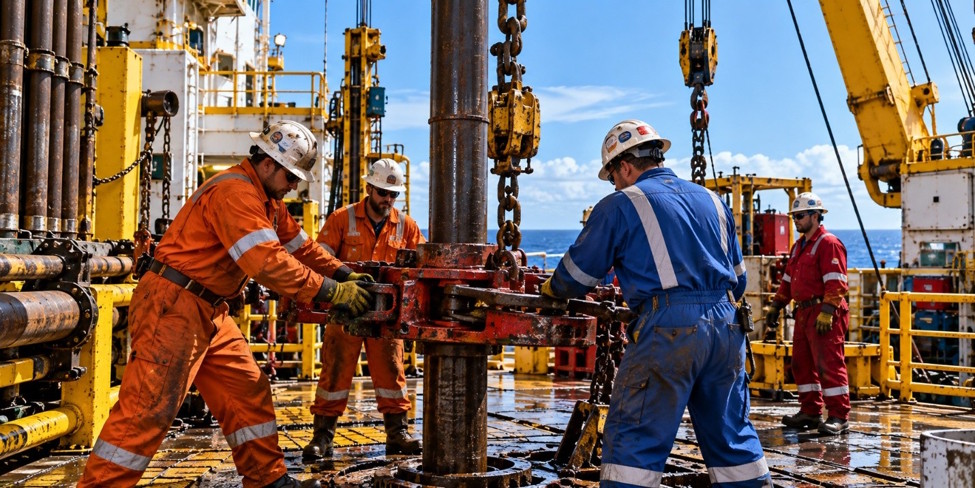
Different backgrounds. One crew. Everyone started somewhere.
Where Do You Fit Offshore?
You may already have skills and experience that can transfer into offshore work, even if you’ve never worked offshore before.
Welding, mechanical work, electrical work, construction, equipment operation, maritime experience, military service, cooking, maintenance, and many other backgrounds can transfer into offshore work.
The question is where your experience fits.
If you’re just starting out, entry-level positions can get you into the industry. If you already have a trade, technical skills, maritime experience, or years of workforce experience, your path may be very different.
What Do You Need to Work Offshore?
If you’re looking for offshore work in the United States, a TWIC Card is one of the basic credentials you’re likely to need. Beyond that, requirements vary by job, company, vessel or installation type, and where you’ll be working.
Other positions may require offshore survival training, a Merchant Mariner Credential, STCW, H2S training, medical certification, rigging, or other job-specific training.
The important thing is not to start paying for credentials you may not need. Know which job you’re pursuing and what that employer requires first.
And whatever you do, don’t start blasting generic résumés all over the internet. Know what you’re applying for, make sure your background fits the position, and make sure your résumé shows the employer why they should consider you.

For some, it’s just a rig on the horizon. For others, it’s where the work begins.
Getting Your Résumé in Front of the Right People
Finding the right offshore job is only part of the process. Now you have to convince the employer that your background fits what they’re looking for.
Your Offshore-Ready Résumé should be written for the position you’re applying for, using your actual experience and skills to show how they match that employer’s requirements.
And it means more than simply asking AI to write an “offshore résumé” and hoping for the best.
The qualifying question is simple: Is your résumé getting callbacks? Out of 10 applications, how many?
If you’re applying for jobs that fit your background and still not hearing from employers, it may be time to take a closer look at what you’re sending.
That’s why I include a FREE Professional Offshore-Ready Résumé Critique with the purchase of Your Pathway.
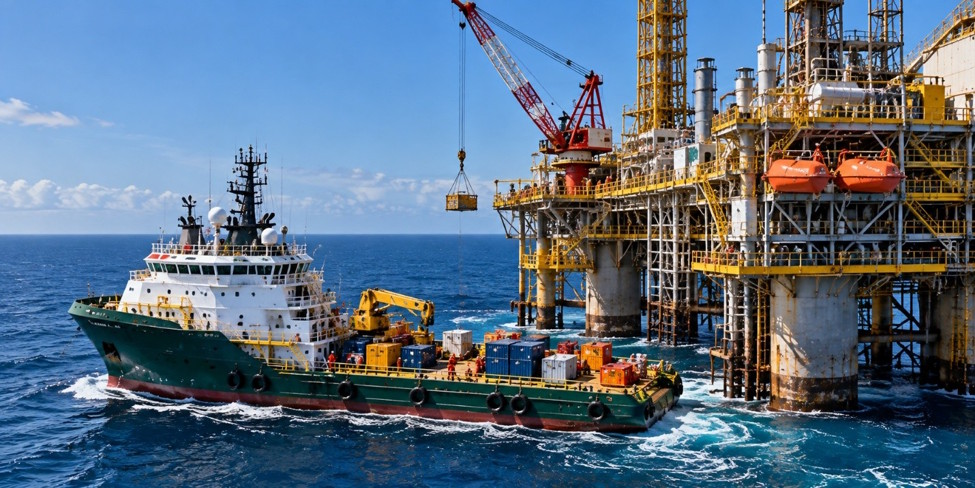
It takes an entire industry to keep offshore operations moving.
Know Where to Apply
Knowing what kind of offshore job fits your background is important. Knowing which companies hire for that kind of work is just as important.
Your Pathway also includes the Companion Directory, with 450+ offshore and maritime companies and application links to help you identify real companies and start your search in the right places.
Instead of searching blindly across the internet, you have a resource designed specifically to help you find offshore and maritime companies where you can put your Offshore-Ready Résumé to work.
Learn More About the Companion Directory
Still Have Questions?
The Offshore Guides website and Your Pathway answer many of the questions people have about getting an offshore job.
But every situation is different.
If you still have questions, reach out. I’m just an email away.
Email Cpt Ron
Offshore Guides
Your Pathway To High-Paying Offshore Jobs


